




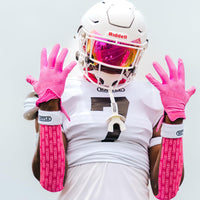
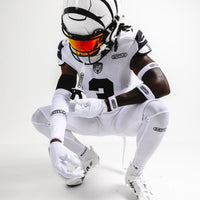
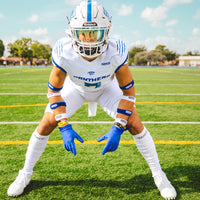



Football Equipment


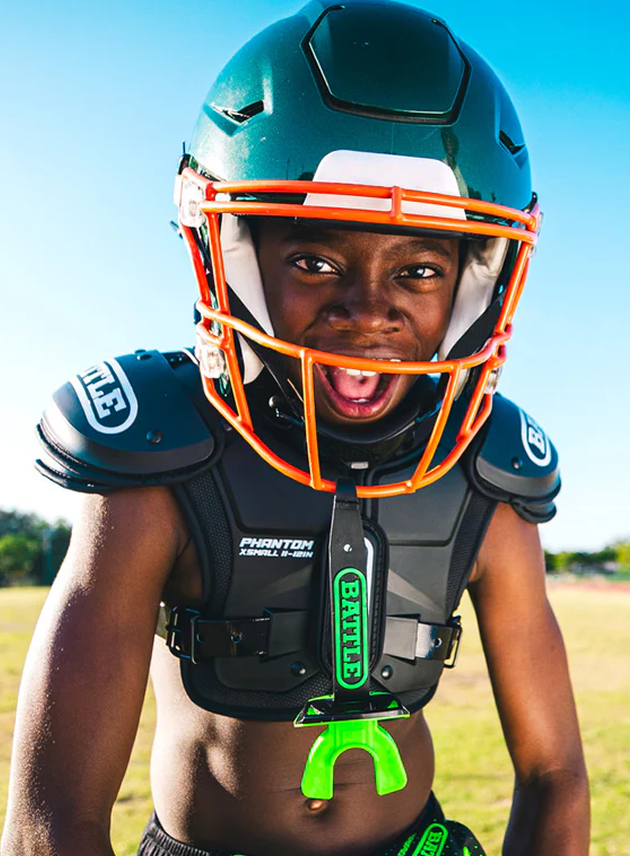
BEST SELLING
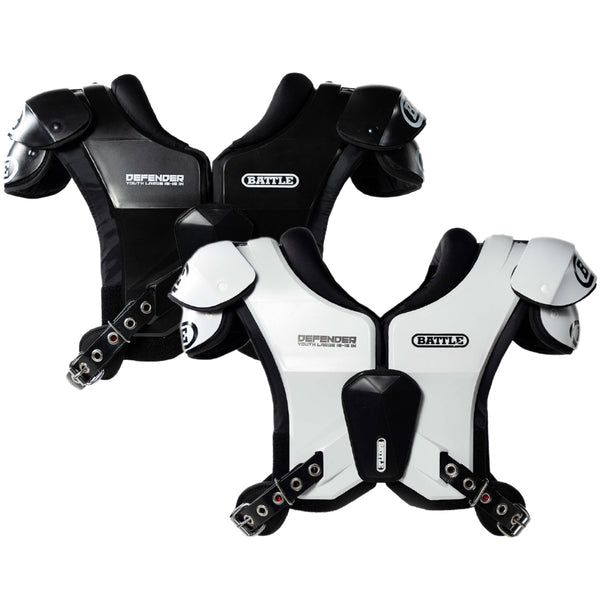
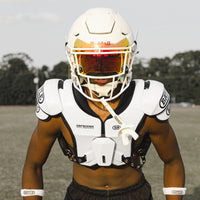
Defender Lightweight Football Shoulder Pads
- $239.99

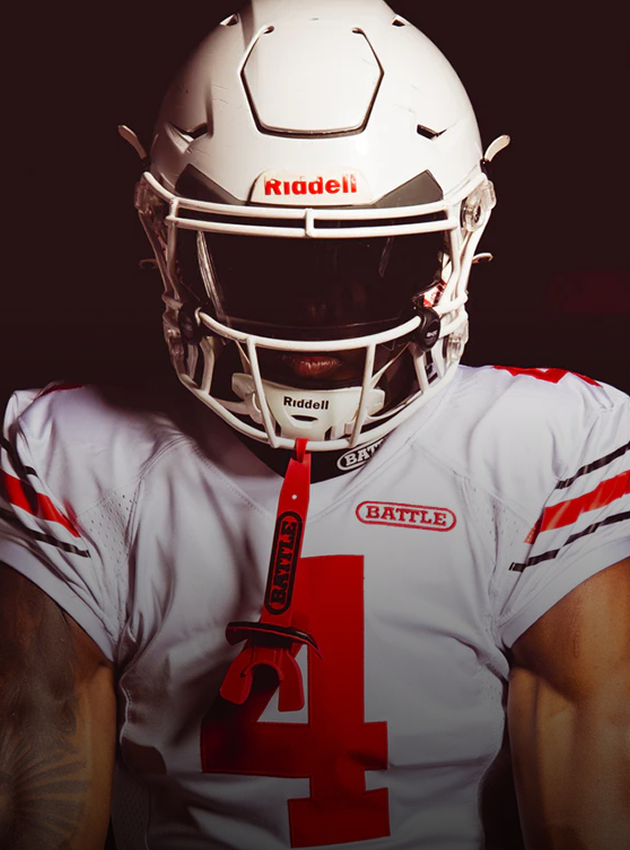

Battle Eclipse Football Visor
- $64.99

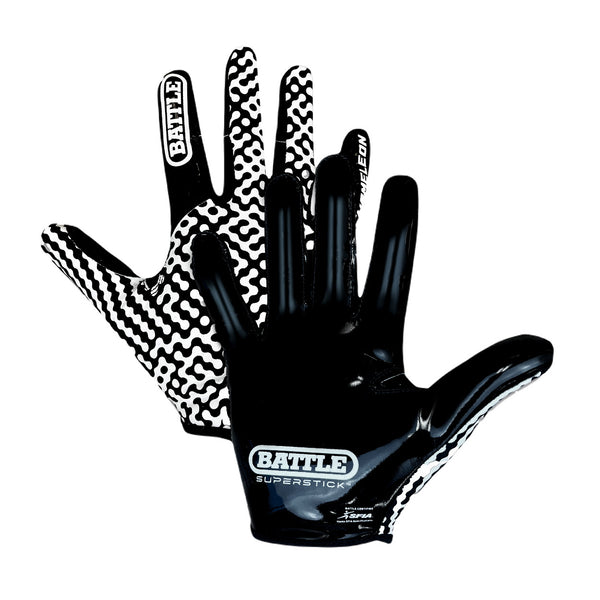


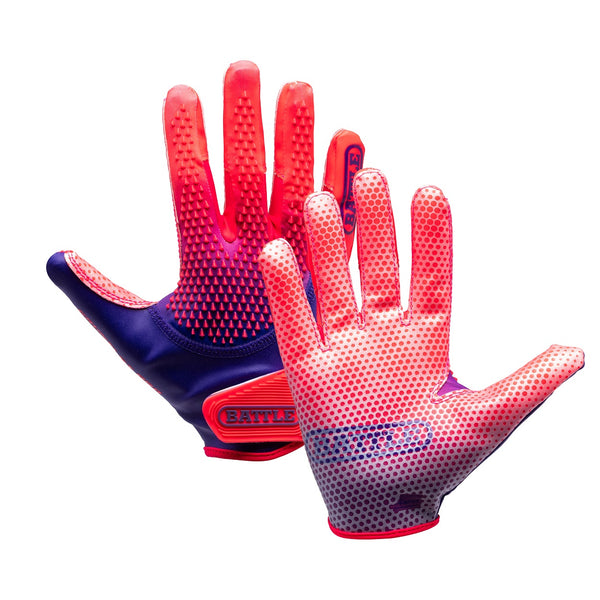
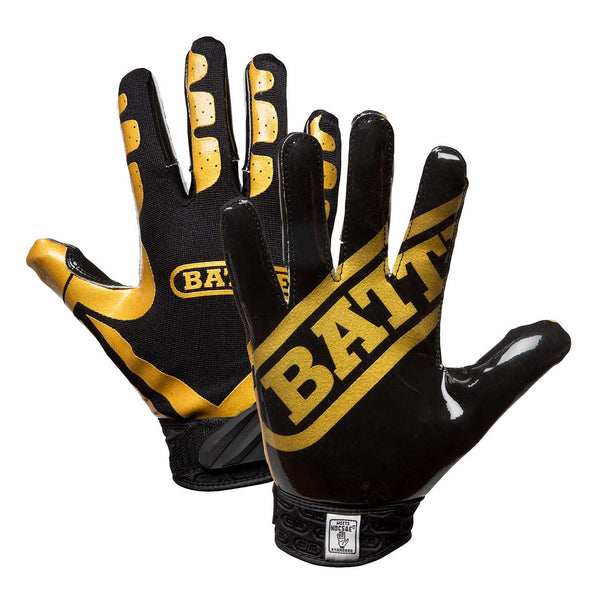
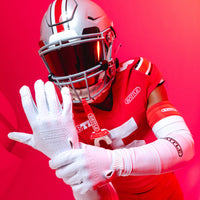
Ultra-Stick Receiver Football Gloves
- $34.99


Battle Sports football equipment is built for players who need reliable gear for practice, training, and game day. From shoulder pads, football gloves, mouthguards, cleats, chin straps, back plates, and other protective or performance-focused equipment, this collection brings together the core pieces players use across the season.
Whether you're building a complete setup for a new player or upgrading one part of an existing kit, Battle makes it easier to shop football equipment by category, fit, and use. Start with the pieces that are required for your position and league, then add the gear that improves comfort, organization, and overall game-day readiness.
What Football Equipment Do Players Need?
Most football players need a helmet, shoulder pads, mouthguard, cleats, and position-appropriate clothing or protection before they take the field. Depending on the league, position, age group, and team requirements, players may also use football gloves, chin straps, back plates, padded apparel, arm sleeves, towels, and other accessories.
- Helmet & Chin Strap: core headgear that must fit securely and work together correctly
- Shoulder Pads: protective equipment sized to the player's age, body size, and position
- Mouthguard: football-specific mouth protection required by many leagues
- Cleats: footwear selected for fit, traction, field surface, and playing style
- Football Gloves: receiver, padded, or position-specific gloves depending on player preference
- Back Plates & Padding: optional or position-specific protection for players who want added coverage
Football Equipment for Practice, Training & Game Day
Football equipment covers the protective gear, footwear, gloves, mouthguards, and supporting pieces players use to prepare for contact, movement, ball handling, and repeated practice throughout the season. The right setup depends on the player's position, age, league rules, field surface, and personal fit preferences.
Battle Sports offers football equipment for youth and adult players across multiple categories so athletes can build a setup around the way they actually play.
Shop Football Equipment by Category
Protective shoulder pads for youth and adult players, with fit and mobility options designed around different positions and body sizes.
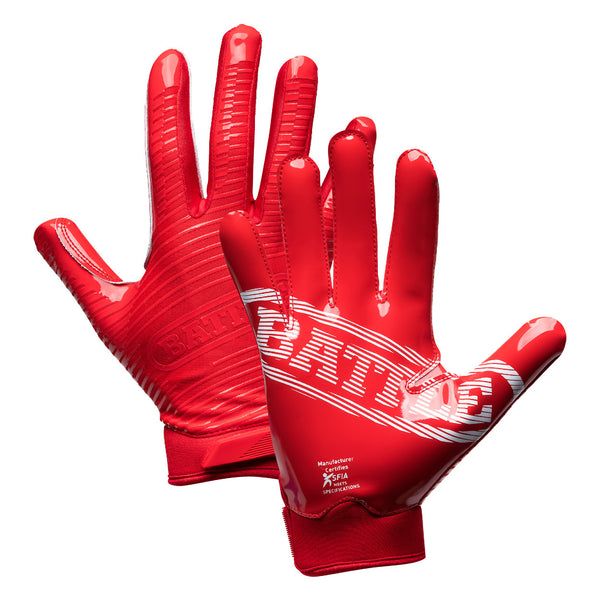
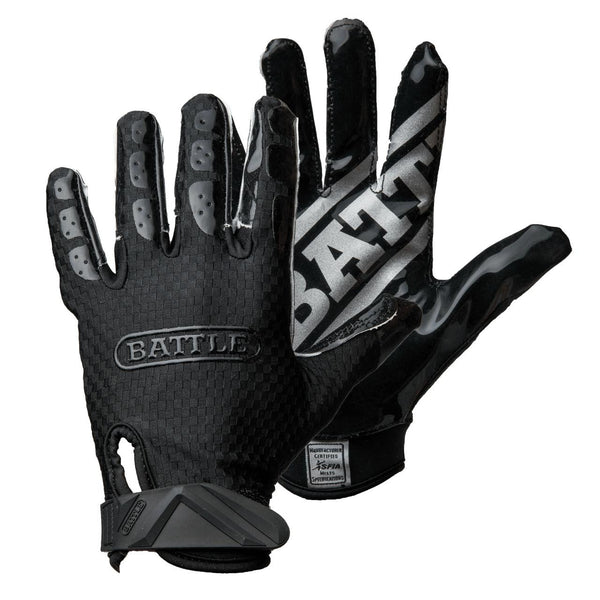
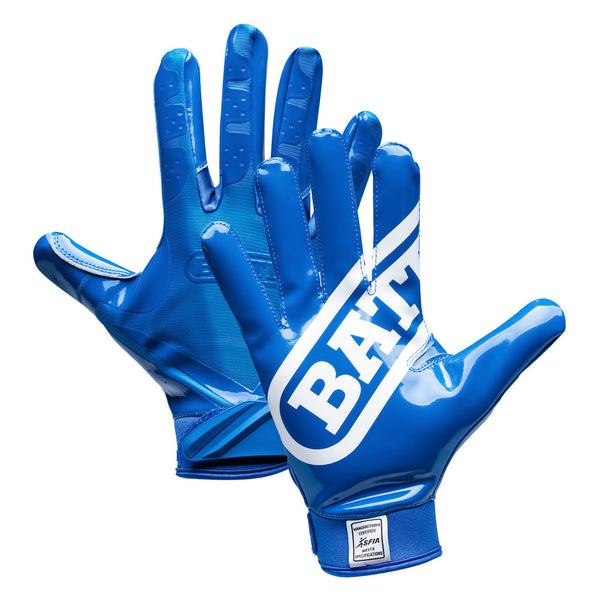
Receiver, padded, and position-focused football gloves built around grip, fit, comfort, and hand protection needs.
Connected, strapless, binky, and other football mouthguard styles designed for different fit, breathing, and helmet preferences.
Football footwear built for traction, quick movement, and position-specific preferences across youth and adult players.
Helmet-connected chin straps designed to help maintain a secure and comfortable fit when used with compatible helmets.
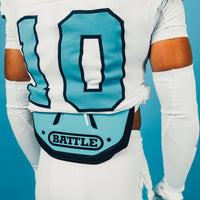
Additional football protection for players who want more coverage through the lower back, torso, or other contact areas.
Football Shoulder Pads
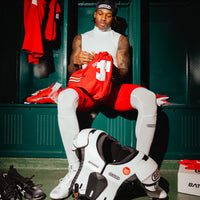
Shoulder pads are one of the most important pieces of football equipment because fit directly affects coverage, comfort, and movement. Players should choose pads based on body measurements, age group, position, and how much mobility or coverage they need.
Battle football shoulder pads include youth and adult options designed for different body sizes and playing styles. Pads should sit securely on the shoulders without excessive shifting and should not prevent normal arm movement.
Football Gloves for Skill & Contact Positions
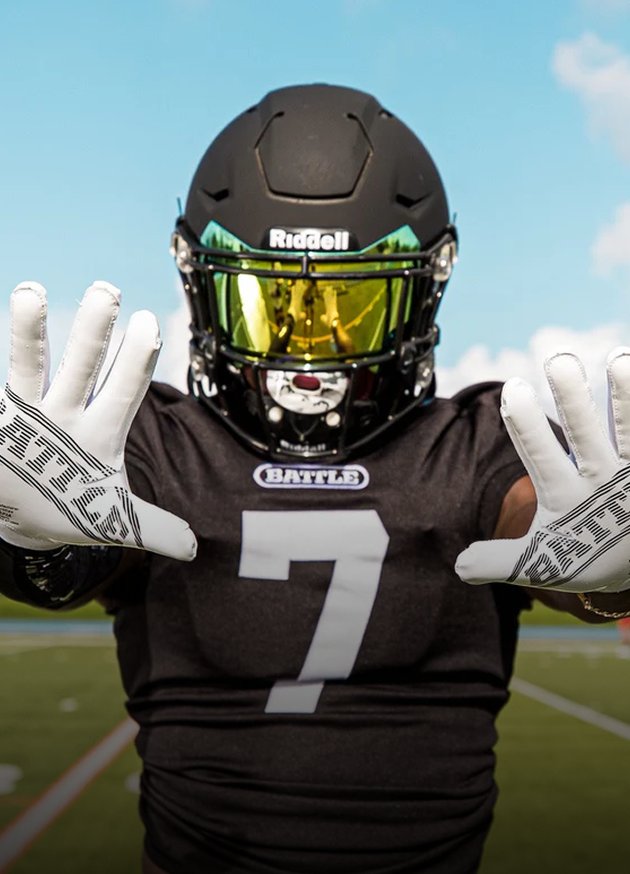
Football gloves are used by players across multiple positions, but the right glove depends on what the athlete needs from it. Receivers and defensive backs often prioritize grip and hand feel, while other positions may prefer added padding or coverage.
Explore Battle football receiver gloves and other glove styles to match the player's position, fit preference, and level of contact.
Football Mouthguards
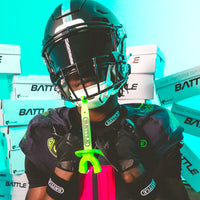
Mouthguards are a standard part of the football equipment setup and are required by many leagues. Players can choose between connected helmet-strap mouthguards, strapless mouthguards, binky-style mouthpieces, and other football-specific designs.
Battle football mouthguards are available in multiple shapes, colors, and breathing styles so players can choose the setup that feels right with their helmet and routine.
Football Cleats
Football cleats should match the player's foot shape, age, field surface, and movement needs. Lightweight models may appeal to skill-position players, while other athletes may prioritize support, stability, or a different cut around the ankle.
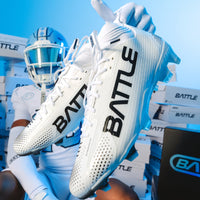
Shop Battle football cleats for youth and adult players, with multiple models designed around traction, fit, and quick movement.
Chin Straps, Back Plates & Additional Protection
Smaller pieces of football equipment can still play an important role in the overall setup. A compatible chin strap helps maintain a secure helmet fit, while back plates and other protective equipment add coverage in areas some players want protected during contact.
Youth vs. Adult Football Equipment
Youth and adult football equipment often serve the same purpose, but the sizing, proportions, weight, and fit can differ. Younger players should not automatically move into adult equipment just because they are growing quickly. Equipment should match current measurements and fit requirements rather than age alone.
For youth players, parents should pay particular attention to shoulder-pad sizing, glove sizing, cleat fit, and mouthguard comfort before practices or games begin. Recheck fit throughout the season as the athlete grows.
How Should Football Equipment Fit?
Football equipment should fit securely without creating unnecessary pressure, excessive movement, or restricted motion. The correct fit varies by product, but every piece should be checked before game use.
- Shoulder Pads: secure over the shoulders with appropriate coverage and arm mobility
- Gloves: close to the hand without bunching or restricting finger movement
- Cleats: snug through the heel and midfoot with enough room for the toes
- Mouthguards: comfortable enough to wear consistently without painful pressure
- Chin Straps: secure and compatible with the helmet attachment system
Practice Equipment vs. Game-Day Equipment
Much of the same football equipment is used in both practices and games, but players often keep extra pieces available for heavy-use items. Gloves, mouthguards, towels, socks, tape, and other smaller gear can wear faster or be misplaced more easily during a season.
Keeping backup essentials in a football bag can make it easier to replace a worn or missing item without changing the rest of the player's setup.
When Should Football Equipment Be Replaced?
Football gear should be inspected regularly for wear, damage, poor fit, broken closures, loose hardware, compressed padding, or materials that no longer perform as intended. Equipment that no longer fits correctly should also be reevaluated, even if it still looks usable.
Replacement timing depends on the product, frequency of use, player growth, and condition of the gear. Always follow the product manufacturer's care, inspection, and replacement guidance.
Football Equipment That Works With the Full Setup
Performance and fit come first, but football equipment is also part of the player's overall uniform. Gloves, cleats, mouthguards, sleeves, back plates, and other gear are available in multiple colors and designs so athletes can coordinate their setup without compromising the equipment they actually need.
Some players refer to the full coordinated look as football drip. Whatever the terminology, the priority should remain fit, function, compatibility, and league requirements first.
Explore Battle Football Equipment
Football Equipment FAQs
What equipment do football players need?
Most football players need a helmet, shoulder pads, mouthguard, cleats, and football-appropriate clothing. Depending on the position and league, players may also use gloves, chin straps, back plates, padded apparel, sleeves, towels, and other accessories.
What football equipment is usually required?
Required equipment varies by league, but helmets, shoulder pads, mouthguards, and appropriate footwear are common requirements. Players should always confirm the current rules with their school, coach, or league.
What football equipment should youth players have?
Youth players typically need a properly fitted helmet, shoulder pads, mouthguard, cleats, and any league-required uniform pieces. Gloves, back plates, sleeves, and other accessories may be added based on position, preference, and team rules.
How do I choose football shoulder pads?
Choose shoulder pads based on the player's current body measurements, age group, position, and desired balance of coverage and mobility. The pads should sit securely without excessive shifting or restricting normal arm movement.
Do football players need mouthguards?
Mouthguards are required by many football leagues and are a standard part of the equipment setup. Players should choose a football-specific mouthguard that fits comfortably with their helmet and braces, if applicable.
What football equipment needs to fit correctly?
All football equipment should fit correctly, but helmets, shoulder pads, cleats, gloves, mouthguards, and chin straps require particular attention because poor fit can affect comfort, movement, or how the equipment functions.
What is the difference between youth and adult football equipment?
Youth and adult equipment can differ in sizing, proportions, weight, and fit. Players should choose equipment based on current measurements and product sizing guidance rather than age alone.
When should football equipment be replaced?
Replace football equipment when it is damaged, worn out, no longer fits correctly, or no longer performs as intended. Follow the manufacturer's inspection, care, and replacement guidance for each product.
What football gear should players keep as a backup?
Common backup items include gloves, mouthguards, socks, towels, tape, and other smaller pieces that can wear out or be misplaced during the season.