














Speed XL Football Mouthguard with Connected Thick Strap

Splatter Speed XL Football Mouthguard with Connected Thick Strap

ICE Speed XL Football Mouthguard with Connected Thick Strap

Speed Pro Football Mouthguard with Connected Thick Strap

Speed Air Mouthguard with Interchangeable Thick Strap


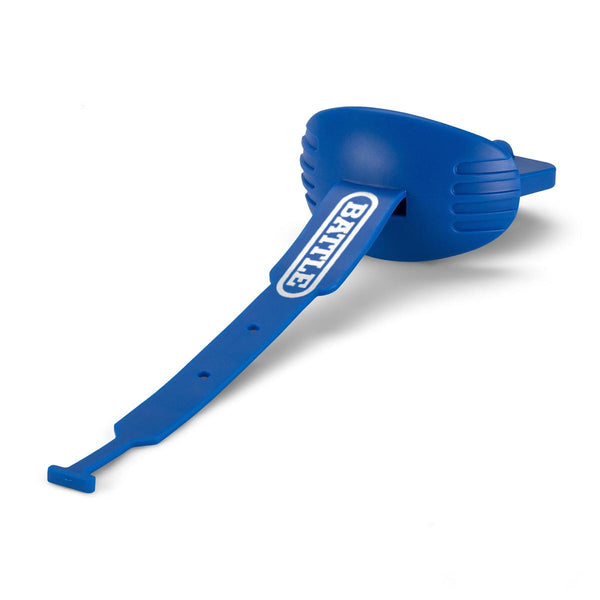
Speed Football Mouthguard with Connected Thick Strap
- $16.99
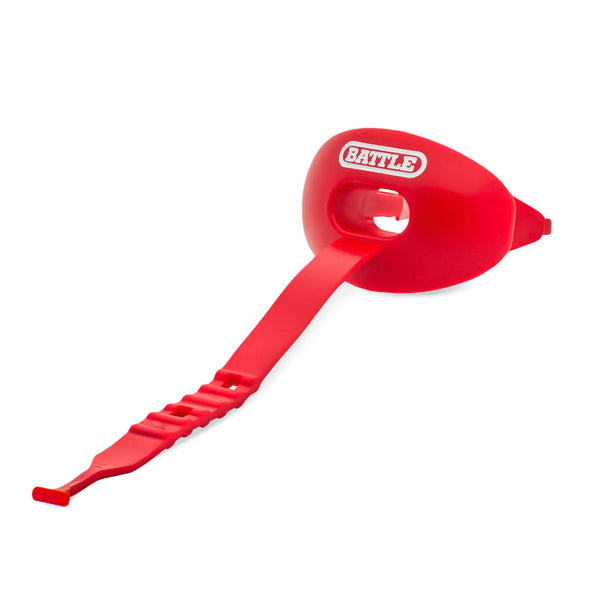
Oxygen Football Mouthguard with Connected Strap
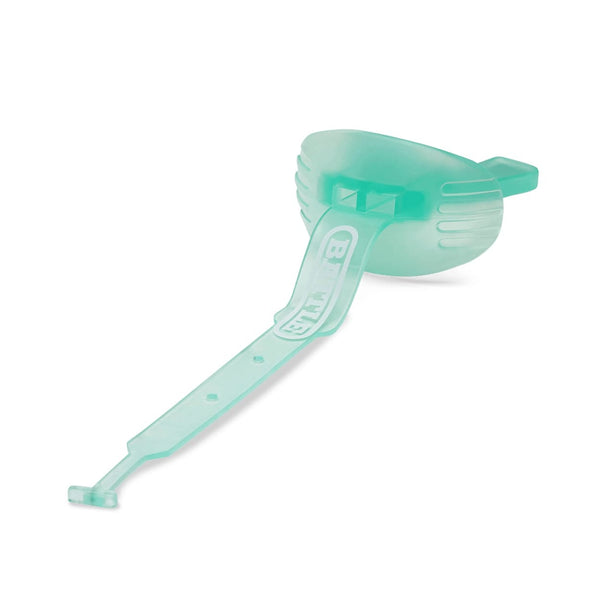
ICE Speed Football Mouthguard with Connected Thick Strap
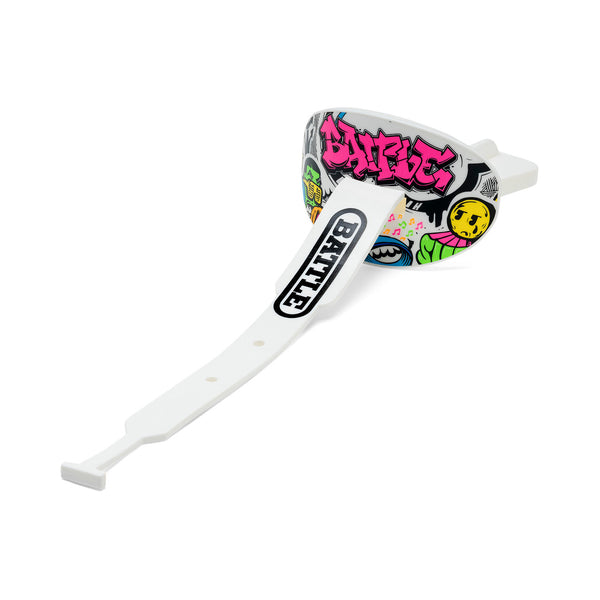
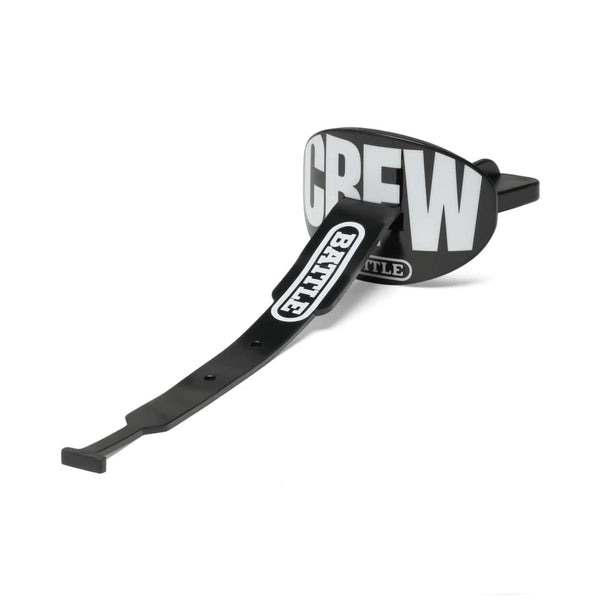
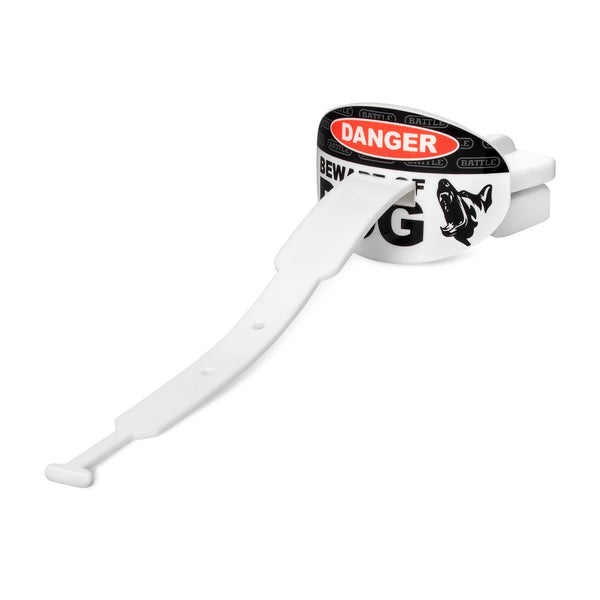

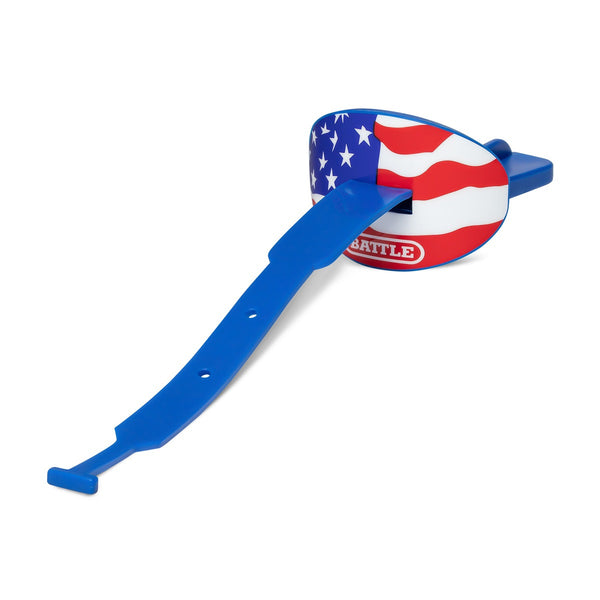
Battle Sports connected strap mouthguards are built for football players who want their mouthguard attached to the helmet and easy to reach between plays. Also called football mouthguards with straps or connected mouthguards, these tethered mouthpieces combine a secure helmet connection with the fit, breathability, and bold Battle style players expect on game day.
Battle Oxygen and Speed connected mouthguards are designed for football use and include a strap that connects the mouthpiece directly to the helmet. That setup keeps the mouthguard close when it is not being worn and gives players a simple way to put it back in before the next snap.
What Is a Football Mouthguard With a Strap?
A football mouthguard with a strap is a mouthpiece that connects to the player's helmet with a tether. The strap keeps the mouthguard attached to the helmet between plays, making it easier to access and harder to misplace during games or practices. Connected strap mouthguards are especially common in football because players frequently remove the mouthpiece between snaps and need it immediately available when play resumes.
- Connected to the Helmet: the tether keeps the mouthguard attached between plays
- Easy Access: players can quickly return the mouthguard to their mouth before the next snap
- Football-Specific Use: designed around the stop-and-start rhythm of football practices and games
- Multiple Styles: connected mouthguards are available in different shapes, colors, and breathing designs
Connected Strap Mouthguards for Football
Connected strap mouthguards give football players a practical way to keep their mouthpiece close without holding it in a hand, tucking it into a facemask, or setting it down between plays. The strap attaches the mouthguard to the helmet so the player can remove it during a timeout, huddle, or break and still have it immediately available when the whistle blows.
Battle connected mouthguards are built for athletes who want that convenience without giving up comfort or style. Our Oxygen and Speed mouthguards use football-focused designs that prioritize a secure fit, airflow, and easy helmet attachment.
Battle Connected Mouthguard Options
Different players prefer different mouthguard shapes and breathing designs. Battle offers connected football mouthguards in multiple styles so athletes can choose the mouthpiece that best fits their preferences and game-day setup.
Designed with a large breathing opening and a connected helmet strap for players who prioritize airflow and quick access between plays.
Football mouthguards built around a compact, game-ready profile with a tether that keeps the mouthpiece attached to the helmet.
Battle connected mouthguards are designed to accommodate athletes who wear braces, helping players keep a football-specific mouthguard in their setup.
Choose from different colorways and mouthguard designs to match the rest of your helmet, gloves, sleeves, and football gear.
Connected Mouthguard vs. Strapless Mouthguard
The biggest difference is how the mouthguard is carried when it is not being worn. A connected mouthguard stays attached to the helmet with a tether, while a strapless mouthguard is completely separate from the helmet. Neither approach is automatically better for every player.
Best for players who want the mouthguard physically attached to the helmet and easy to find between plays.
Best for players who prefer a completely separate mouthpiece without a tether hanging from the helmet.
The tether reduces the chance of setting the mouthguard down or losing track of it during the stop-and-start rhythm of football.
Some athletes simply prefer the cleaner helmet setup and freedom of a mouthguard that is not physically connected.
How Should a Connected Football Mouthguard Fit?
A football mouthguard should fit comfortably enough that the player can keep it in place when needed without constant adjustment. It should not create painful pressure, interfere with normal breathing, or feel so loose that the player cannot wear it consistently.
The tether should also be adjusted so the mouthguard can reach the player's mouth comfortably without pulling against the helmet. The connection should leave enough slack for normal head and jaw movement while still keeping the mouthguard close when it is removed.
Breathable Football Mouthguards for Game-Day Use
Football is played in short bursts of high-intensity movement, so airflow matters when choosing a mouthpiece. Battle connected mouthguards are designed with breathing in mind, including large breathing openings on select styles such as the Oxygen line.
A mouthguard that feels easier to breathe through can be easier for a player to keep in consistently during practices and games. The right choice depends on the athlete's preference, mouth size, braces needs, and how the mouthguard feels during movement.
Connected Mouthguards for Players With Braces
Football players with braces need a mouthguard designed to accommodate orthodontic hardware. Battle connected mouthguards are built to work for athletes with braces, giving them the convenience of a helmet tether without forcing them into a completely different mouthguard setup.
Because braces and mouth shape vary from player to player, the mouthguard should always be checked for comfort before practice or game use. If the mouthpiece creates painful pressure around the braces or does not sit correctly, the fit should be reevaluated.
Why Football Players Use Mouthguards With Straps
Football is one of the few sports where players frequently remove and replace a mouthguard between plays. A connected strap makes that routine easier by keeping the mouthpiece attached to the helmet instead of forcing the player to carry it or remember where it was placed.
- Between Plays: let the mouthguard hang from the helmet during huddles or breaks
- Before the Snap: quickly bring the mouthguard back into place
- During Practice: reduce the chance of leaving the mouthguard on the sideline or ground
- Game-Day Routine: keep the mouthpiece integrated into the rest of the helmet setup
Connected Football Mouthguards Built for Function & Style
A mouthguard is part of the football uniform, and connected mouthguards are highly visible because they hang from the helmet between plays. Battle offers connected strap mouthguards in bold colors and football-focused designs so players can match the mouthpiece to the rest of their setup.
Pair your mouthguard with Battle football mouthguards, football accessories, and football gear to build a complete game-day look.
How to Care for a Connected Strap Mouthguard
Mouthguards collect saliva, sweat, and field debris during regular use, so routine cleaning matters. Rinse the mouthguard after practices and games, clean it according to the product care instructions, and allow it to dry completely before storing it in a closed equipment bag.
Inspect the tether and attachment point regularly. If the strap becomes cracked, stretched, torn, or no longer stays securely connected to the helmet, replace the mouthguard or tether before returning to play.
Complete Your Football Mouthguard Setup
Compare connected, strapless, binky, and other football mouthguard styles to find the setup that works best for the way you play.
Football Mouthguard With Strap FAQs
What is a connected strap mouthguard?
A connected strap mouthguard is a football mouthpiece with a tether that attaches directly to the helmet. The strap keeps the mouthguard connected between plays so the player can remove it temporarily without losing track of it.
Why do football mouthguards have straps?
Football mouthguards often use straps because players frequently remove the mouthpiece between snaps, during huddles, or on the sideline. The tether keeps the mouthguard attached to the helmet and easy to reach when play resumes.
Are connected mouthguards better for football?
Connected mouthguards are useful for players who want the mouthpiece attached to the helmet and immediately available between plays. Strapless mouthguards can also work well, so the better option depends on the player's preference and helmet setup.
Do Battle connected mouthguards work with braces?
Battle connected mouthguards are designed to accommodate athletes who wear braces. Players should still check that the mouthguard feels comfortable around their orthodontic hardware before play.
How do you attach a football mouthguard strap to a helmet?
Attach the tether to the helmet at the appropriate connection point according to the mouthguard and helmet instructions. Make sure the strap is secure and has enough slack for the player to move the mouthguard comfortably between the helmet and mouth.
Can you remove the strap from a connected mouthguard?
That depends on the specific mouthguard design. Some tethers are removable or replaceable, while others are built as part of the mouthguard system. Check the product details before modifying the strap.
How should a football mouthguard with a strap fit?
The mouthguard should feel comfortable and secure without creating painful pressure or interfering with normal breathing. The tether should reach the mouth easily without pulling against the helmet or restricting head movement.
What is the difference between an Oxygen and Speed connected mouthguard?
Both are Battle football mouthguard styles that can be used with a connected helmet strap. The Oxygen line emphasizes a large breathing opening, while the Speed line uses a different mouthguard profile for players who prefer that fit and feel.
How do I clean a connected strap mouthguard?
Rinse and clean the mouthguard according to the product care instructions after use, then allow both the mouthpiece and strap to dry completely before storing them in an equipment bag.