




Your football gloves are built to grip, protect, and perform, but they are not built to last forever. With regular use, most gloves deliver consistent tack for one full season, roughly four to eight months, though heavy practice schedules, playing surface, and care habits can push that window shorter or stretch it longer.
This guide breaks down exactly how long football gloves last, what factors shorten their life span, and the clear signs that it’s time for a new pair.
You'll also learn proven care strategies to maximize every snap before you need a fresh pair, so your hands stay game-ready from the first practice to the final whistle.
The Average Lifespan of Football Gloves
For most players, a pair of gloves delivers peak performance for about one full season, usually four to eight months. That’s assuming regular practices, games, and proper care. Now, if you’re practicing hard, playing on turf, or running year-round schedules, that window can shrink fast. Gloves take the most abuse in the palm and finger pad areas, which are the exact spots that matter most.
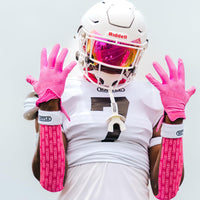
On the flip side, players who rotate gloves (one for practice, one for games) often see their gloves last much longer. That’s why many receivers and DBs keep dedicated receiver gloves just for game day, maximum grip when it counts.
The key to extending your gloves' life lies in proper care habits, including:
- Proper cleaning - Removes sweat and dirt that break down grip
- Correct drying - Prevents material breakdown and bacteria growth
- Smart storage - Maintains shape and prevents damage

Signs Your Football Gloves Are Wearing Out & Need Replacing
The clearest sign your gloves are done is grip failure. If the palms still feel slick after you wipe or dampen them, the adhesive layer has worn through completely. Beyond grip issues, fit problems also signal it's time to replace your gear.
Loose or stretched gloves around the wrist and fingers reduce control and increase slippage risk during crucial catches. Additionally, visible damage becomes impossible to ignore once it appears.
Watch for these clear signs of damage:
- Cracking palms - Surface breaks down and loses stickiness
- Seam separation - Stitching fails at stress points
- Torn fabric - Holes compromise protection and performance
- Peeling material - Adhesive layers separate from base
Once these signs appear, your gloves can't deliver reliable performance anymore. Don't try to repair them. Instead, replace them with grippy football gloves you can trust when it matters most.
For younger players, youth football gloves may need replacing sooner as they grow, since an improper fit affects both safety and performance. Battle Sports' football gloves feature reinforced stitching and durable palm compounds designed to handle intense volume while extending functional grip life.

Factors That Affect How Long Football Gloves Last
Several key factors determine your glove’s life span, and understanding them helps you get better grip for longer while knowing when it’s time to move on. Your gloves take real punishment every game, and how you use and care for them makes a big difference.
Frequency of Use
Daily practices with high-rep catching drills create constant friction between the sticky palm and the football. That repeated contact puts pressure on the grip and causes material fatigue much faster than occasional use.
The solution is using a separate pair of gloves for training and saving your game pair for competition. This rotation keeps your primary gloves in top condition and helps them last much longer over the season.
Playing Surface
Artificial turf is significantly more abrasive than natural grass, causing faster palm scuffing, stress on seams, and small tears that can expand into larger rips when you dive or fall during plays. Meanwhile, wet or muddy conditions introduce grit that clogs tacky surfaces.
This requires more frequent cleaning, which can wear down adhesive layers over time through repeated wash cycles.
Sweat, Dirt, and Moisture
Sweat contains salts and oils that weaken grip polymers when left to dry on the palm. Over repeated uses, this reduces the overall tackiness and grip performance you depend on.
Similarly, dirt and field debris physically clog the microscopic texture of sticky surfaces. This prevents proper ball contact and forces you to wipe more often, accelerating wear. Storing damp gloves makes matters worse by accelerating material breakdown and encouraging bacteria growth that causes odor.
Glove Quality and Construction
Higher-quality materials make a significant difference in lifespan through advanced grip polymers, reinforced stitching, and durable backhand fabrics. These maintain performance much longer than budget options.
In contrast, cheaper gloves use thinner palm coatings and weaker seams that fail after just a few games, losing grip and shape when you need them most.
How to Make Football Gloves Last Longer
Proper glove care extends their lifespan and maintains optimal grip performance throughout the season. Following a simple routine keeps your gloves game-ready from the first snap to the last.
Clean Gloves Regularly
To properly clean football gloves, hand wash them after every few uses to remove sweat, dirt, and oils before they turn into tough stains. The proper cleaning process involves several key steps:
Use this simple process:
- Rinse first: Cool water removes surface debris
- Gentle wash - Use a mild soapy solution and lightly scrub with a soft cloth
- Soak briefly: Let the gloves sit just long enough to loosen grime
- Rinse thoroughly: Remove all soap residue
- Gently squeeze out excess water — never wring them
Leftover soap residue actually reduces grip activation, so make sure you rinse completely. Avoid machine washing football gloves, as this can damage the delicate palm materials.

Dry and Store Gloves Properly
Always air dry your gloves after every use by placing them flat or hanging them in a well-ventilated area away from direct heat sources. Never use a dryer or expose them to direct sunlight or heat, as these conditions cause palm polymers to harden, crack, and lose their stickiness permanently.
When storing, lay gloves flat or with palms facing away from each other to prevent them from sticking together and tearing when separated. Following proper storage techniques prevents damage between uses.
Rotate Gloves for Practice and Games
Using separate pairs for practice and games is one of the best ways to make your gloves last longer. This strategy ensures your primary pair remains in top condition for games, as it is shielded from the repetitive strain of training.
This rotation allows each pair to dry completely between uses, reducing moisture-related breakdown and preventing odor buildup. You can complete your gear rotation with versatile football gear from Battle Sports to stay equipped for both practice and competition.
Replace Your Gloves with Battle Sports
When grip fades, fit loosens, or visible damage appears, it's time to upgrade rather than struggle with compromised performance. Continuing with worn-out gloves undermines your confidence and ability to make crucial plays on the field.
Battle Sports football gloves deliver durability and consistent grip through intense reps, varied weather, and game-day pressure with reinforced stitching, advanced palm compounds, and PerfectFit construction. Refresh your look and confidence with Battle accessories that match your game-ready mentality. Level up your sideline style with fresh football drip that keeps you looking sharp while performing at your peak.
Sources:
- Sports & Fitness Industry Association. Football Glove Specification Program | SFIA. https://sfia.org/about/committees/football-glove-specification-program/