














BEST SELLING
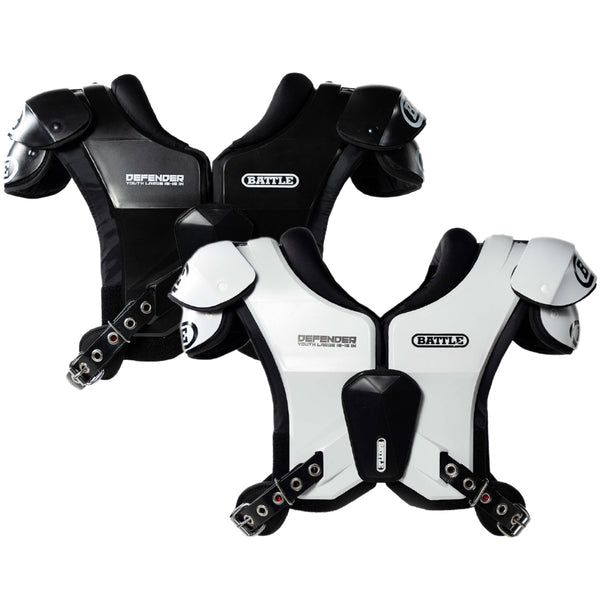
Defender Lightweight Football Shoulder Pads
- $239.99


Battle Sports football shoulder pads are designed around a lightweight, low-profile fit that gives players room to move without adding unnecessary bulk. With options for youth and adult athletes, Battle shoulder pads are built to balance coverage, comfort, mobility, and a secure fit across multiple positions.
Whether you're replacing an older set or buying shoulder pads for the first time, the right choice starts with sizing and fit. Measure carefully, compare your measurements to the Battle size chart, and choose pads that sit securely over the shoulders without restricting normal arm movement.
What Are Football Shoulder Pads For?
Football shoulder pads are protective equipment worn over the shoulders, upper chest, and upper back. They are designed to add coverage in areas that regularly experience contact during tackles, blocking, and falls.
Modern shoulder pads are built to provide that coverage while still allowing players to run, throw, catch, block, and change direction without excessive restriction.
Football Shoulder Pads for Youth & Adult Players
Battle football shoulder pads are available for youth and adult players, with sizing based on body measurements rather than age alone. The correct size should sit close to the body, cover the shoulders appropriately, and stay secure during movement.
Built for younger players who need a lighter, properly proportioned shoulder-pad setup based on current body measurements.
Designed for larger athletes and older players who need adult sizing, coverage, and a secure fit without excessive bulk.
How Should Football Shoulder Pads Fit?
Football shoulder pads should sit securely over the shoulders with the cups centered and the padding close to the body. There should not be large gaps around the shoulders or chest, and the pads should not shift excessively when the player moves.
- Shoulder Coverage: the shoulder caps should sit over the shoulder joints
- Chest & Back: padding should sit close without large gaps or excessive movement
- Arm Mobility: the player should be able to raise, rotate, and extend the arms naturally
- Secure Fit: straps and closures should keep the pads stable without feeling painfully tight
For a step-by-step sizing walkthrough, use Battle's football shoulder pad sizing guide.
How to Choose the Right Football Shoulder Pads
Start with fit, then consider how the player moves and what position they play. Some athletes prefer a lower-profile shoulder pad that feels less bulky, while others may prioritize a little more coverage.
Measure shoulder width and chest size, then compare those measurements to the Battle sizing chart before choosing a size.
Choose pads that allow normal arm movement for throwing, catching, blocking, and tackling.
Low-profile pads can reduce bulk and may appeal to athletes who prioritize speed and freedom of movement.
Consider whether you plan to add a back plate or other accessories to the shoulder-pad setup.
Low-Profile Football Shoulder Pads
Many modern players prefer shoulder pads with a lower-profile shape because they feel less bulky through the chest and shoulders. A slimmer profile can make it easier to move naturally through throwing motions, route running, coverage, blocking, and open-field play.
Battle shoulder pads are designed around that lightweight, low-profile approach while still providing the coverage expected from football shoulder pads.
Shoulder Pads by Football Position
Position can influence what players prefer in a shoulder-pad setup, but fit should always come first. Different positions place different demands on mobility, contact, and range of motion.
- Quarterbacks: often prefer lower-profile pads that allow more throwing freedom
- Wide Receivers & Defensive Backs: typically value mobility and a lighter feel
- Running Backs & Linebackers: may want a balance of mobility and added coverage
- Linemen & Tight Ends: often prioritize a secure fit and coverage for repeated contact
These are general preferences, not hard rules. The best shoulder pad is the one that fits the player's body correctly and works with how they move.
Football Shoulder Pads & Back Plate Compatibility
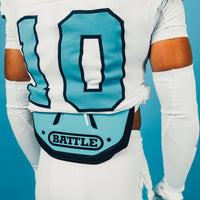
Players who want additional lower-back coverage can pair shoulder pads with a compatible football back plate. Back plates attach to the lower rear of the shoulder pads using mounting hardware and should sit securely without interfering with movement.
Battle shoulder pads are sold fully assembled and ready to wear. Back plates and other accessories are sold separately.
Complete Your Protective Football Gear
Shoulder pads are one part of the full protective setup. Players should also make sure the rest of their equipment fits correctly and works together.
Pair Battle shoulder pads with football mouthguards, football back plates, and football accessories to complete the game-day setup.
When Should Football Shoulder Pads Be Replaced?
Shoulder pads should be inspected regularly for cracks, broken hardware, worn straps, compressed padding, loose parts, or a fit that has changed because the player has grown.
Replace or reevaluate the pads if they no longer fit correctly, show meaningful damage, or no longer stay secure during movement. Follow the product manufacturer's care and inspection guidance throughout the season.
Why Are Modern Football Shoulder Pads Smaller?
Football shoulder pads have become less bulky over time as players and manufacturers have prioritized mobility, lighter construction, and a lower-profile fit. The goal is to maintain appropriate coverage while reducing unnecessary material that can interfere with movement.
That is why quarterbacks, receivers, defensive backs, and other speed-focused players often prefer slimmer shoulder-pad designs.
Explore Related Football Gear
Football Shoulder Pads FAQs
What is the point of shoulder pads in football?
Football shoulder pads add coverage over the shoulders, upper chest, and upper back during tackles, blocking, and other contact. They should fit securely while still allowing normal movement.
How should football shoulder pads fit?
The pads should sit securely over the shoulders with the shoulder caps centered, the chest and back padding close to the body, and enough freedom for the player to raise and rotate the arms naturally.
How do I choose the right size Battle shoulder pads?
Measure the player's shoulder width and chest, then compare those measurements to the Battle size chart. Fit should be based on current body measurements rather than age alone.
What features should I look for in football shoulder pads?
Look for a secure fit, appropriate coverage, comfortable padding, manageable weight, and enough mobility for the player's position and movement needs.
Do quarterbacks wear smaller shoulder pads?
Quarterbacks often prefer lower-profile shoulder pads because a less bulky setup can give them more freedom through the throwing motion. Correct fit and coverage still matter.
Why don't football players wear huge shoulder pads anymore?
Modern football shoulder pads are generally designed to be lighter and lower profile, helping reduce bulk while still providing the coverage players need for contact.
Can I add a back plate to Battle shoulder pads?
Yes. Players can pair Battle shoulder pads with a compatible football back plate for added lower-back coverage. Back plates are sold separately.
Are Battle shoulder pads sold assembled?
Yes. Battle shoulder pads are sold fully assembled and ready to use. Optional accessories such as back plates are sold separately.
When should football shoulder pads be replaced?
Replace or reevaluate shoulder pads if they are damaged, no longer fit correctly, have worn straps or hardware, or no longer remain secure during movement.