



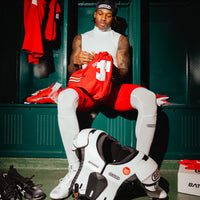


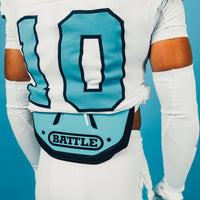
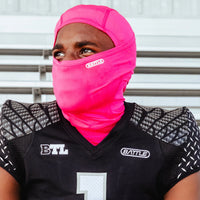
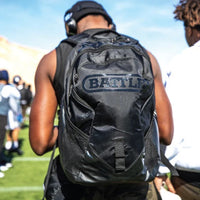
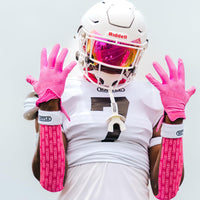
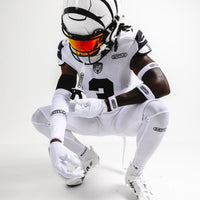
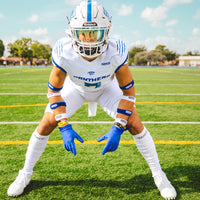



The first week of football practice is hectic enough without a missing mouthguard, empty water bottle, or pair of cleats that suddenly feels too small. Use this checklist to pack the essentials, avoid common problems, and get your player to practice ready to work.
What Should A Child Bring To Football Practice?
A youth football player should bring the equipment required by the coach, properly fitted cleats, a mouthguard, practice clothes, a large labeled water bottle, and any team-issued gear. Keep a few inexpensive backups in the bag, including socks, athletic tape, and a spare mouthguard.
The exact list changes by league and by practice type. A helmet-and-shorts practice does not require the same setup as a full-pads practice, so the team schedule always wins.
You do not need to pack half the house for youth football practice. You need the right gear, enough water, and a routine that prevents the same avoidable scramble three nights a week.
The best system is simple: keep football items together, check the team schedule the night before, and make your player responsible for part of the process. Parents should verify the safety-critical pieces. Players can carry the bag, refill the bottle, and learn to keep track of their own equipment.
The Complete Youth Football Practice Checklist
Use this as the final check before leaving home. Add any league-specific or position-specific items your coach requires.
Required Equipment
Helmet, shoulder pads, practice pants, integrated pads or separate pads, team jersey, and any other team-issued gear scheduled for that day.
Footwear
Properly fitted football cleats, clean football socks, and slides or regular shoes for before and after practice.
Protection
Mouthguard, athletic supporter or compression shorts when required, and position-specific accessories approved by the league.
Hydration
A large, filled, clearly labeled water bottle that the player can open without help.
Practice Clothing
Lightweight athletic shirt, shorts or practice pants, and weather-appropriate layers that do not restrict movement.
Small Backups
Extra socks, spare mouthguard, athletic tape, bandages, sunscreen, and a plastic bag for wet or muddy gear.
1. Check The Required Football Equipment First
Start with the items that can keep a player off the field if they are missing. Most leagues tell families exactly when helmets, shoulder pads, and full pads are required. Do not assume every practice uses the same equipment.
Set the gear out the night before and check each piece. Look for missing hardware, loose straps, cracked parts, torn fabric, or padding that has shifted out of place. A five-minute check at home is easier than trying to solve an equipment problem in the parking lot.
| Item | What To Check | Common Problem |
|---|---|---|
| Helmet | League approval, secure chin strap, intact hardware, and the fit previously established by the team or equipment professional. | Loose or missing chin-strap hardware. |
| Shoulder Pads | Secure straps, even padding, full movement, and no broken clips or exposed hard edges. | Straps loosened or pads packed before drying. |
| Practice Pants & Pads | All required hip, thigh, knee, and tail pads are present and positioned correctly. | A pad was removed for washing and never put back. |
| Practice Jersey | Correct team color or number when assigned, with enough room to fit over pads. | The jersey fits without pads but becomes too tight over equipment. |
| Mouthguard | Clean, undamaged, and compliant with team or league rules. | Left in a car, lost, or chewed beyond useful condition. |
Still Building The Practice Setup?
Start with the essentials your player will use throughout the season, then confirm all league requirements before buying specialty accessories.
2. Pack Practice Clothes That Can Handle The Work
Football practice clothes should be comfortable, breathable, and easy to move in. This is not the place for stiff casual shorts, oversized cotton layers, or anything the player will keep adjusting between drills.
For non-padded practices, a lightweight athletic shirt and shorts usually make sense. For padded practices, players may wear a compression shirt under the shoulder pads to reduce bunching and keep sweat away from the equipment. Follow the coach's directions on pants, jerseys, and team colors.
Football Socks
Use clean athletic socks that stay in place and cover any area where the cleat could rub. Throw an extra pair in the bag.
Compression Layer
A close-fitting base layer can feel cleaner under pads and avoids loose fabric twisting during contact drills.
Weather Layer
Bring a light layer for cooler practices, but avoid bulky clothing that changes how protective equipment fits.
Change Of Shirt
A dry shirt for the ride home keeps sweat-soaked practice gear off car seats and makes the trip more comfortable.
Practice Gear Parents Replace Most Often
These are the items most likely to be lost, outgrown, worn down, or needed as a backup during the season.


3. Do Not Treat The Water Bottle Like An Afterthought
Preseason football often starts during the hottest part of the year. Send a large bottle filled with water, label it clearly, and teach your player to drink during every break the coach provides. The CDC advises athletes not to wait until they feel thirsty before drinking more water in hot conditions.
Do not send a tiny school bottle and expect it to last through a long outdoor practice. The bottle should be easy to carry, easy to open with tired hands, and large enough for the session. Ask the coach whether refill access is available.
Start Before Practice
A player who arrives hot and thirsty is already behind. Make normal hydration part of the afternoon instead of trying to catch up in the parking lot.
Label The Bottle
Use the player's full name and team. Identical bottles pile up quickly near the field.
Know The Warning Signs
Headache, dizziness, unusual weakness, nausea, confusion, or cramping should never be dismissed as a player simply being out of shape.
Listen To The Staff
Coaches and athletic trainers control practice breaks and heat procedures. Parents should reinforce those rules, not push a child to hide symptoms.
4. Use One Football Bag And Keep It Organized
A dedicated football bag solves more problems than a complicated packing system. The important part is giving every item a normal place so your player can see what is missing.
Keep wet items away from clean items. Use a mesh pocket or separate plastic bag for a mouthguard case, muddy socks, damp gloves, or a sweat-soaked shirt. Do not seal wet pads in the bag for days. They need air.
| Bag Area | What Belongs There | Why It Helps |
|---|---|---|
| Main Compartment | Practice clothing, jersey, pants, and larger protective equipment when it fits. | Keeps the basic uniform together. |
| Shoe Compartment | Cleats after dirt and grass are knocked off. | Separates dirty footwear from clean clothing. |
| Small Pocket | Mouthguard case, spare mouthguard, tape, bandages, and sunscreen. | Prevents small essentials from disappearing under pads. |
| Wet-Gear Bag | Used socks, muddy clothing, and damp accessories. | Makes unloading and laundry faster. |
| Outside Pocket | Practice schedule, emergency contact card, and non-valuable personal items. | Keeps paperwork easy to reach. |
5. Run A Five-Minute Check Before Practice
The night-before check prevents most practice-day failures. Do it while stores are still open and there is time to clean, dry, replace, or find something.
Read The Team Message
Confirm the practice time, field, equipment level, weather instructions, and any schedule change.
Check Cleat Fit
Youth feet grow fast. Ask about heel movement, toe pressure, rubbing, or numbness instead of relying on the size printed on the shoe.
Inspect The Mouthguard
Make sure it is present, clean, and not damaged. A backup costs less than a wasted drive home.
Fill The Bottle
Do not leave hydration prep until everyone is trying to get out the door.
Remove Jewelry
Take off necklaces, earrings, watches, and other items prohibited by the league before leaving home.
Leave Early
Players need time to use the restroom, put on equipment, and hear instructions without sprinting onto the field late.
Make The Player Own Part Of The Routine.
Parents should verify the important equipment, but the athlete should help pack, carry, unpack, and reset the bag. That responsibility becomes part of learning the game.
6. Unpack The Bag As Soon As Practice Ends
The job is not finished when the player gets in the car. Wet equipment left in a closed bag smells worse, breaks down faster, and is harder to prepare before the next practice.
Air Out Protective Gear
Remove shoulder pads and other damp equipment from the bag and let them dry according to the manufacturer's care instructions.
Clean The Mouthguard
Rinse and store it in a ventilated case rather than dropping it loose into the bag.
Dry The Cleats
Knock off dirt, loosen the laces, and let the cleats dry naturally. Do not leave them sealed inside a hot vehicle.
Start The Laundry
Wash practice clothing promptly and follow the care label. Check every pocket and remove pads when the garment instructions require it.
Common Youth Football Practice Mistakes Parents Can Avoid
Most practice-day problems are predictable. Fix the system instead of repeating the same scramble every week.
Buying Equipment Too Large To “Grow Into”
Oversized protective equipment and loose cleats are not a bargain if they do not work correctly now.
Follow the manufacturer's sizing instructions, league requirements, and guidance from qualified team personnel. Do not improvise a protective fit to stretch an item into another season.
Assuming Every Practice Is Full Pads
Equipment schedules change during preseason and throughout the week.
Read the coach's message before packing. Conditioning, helmets-only, shells, and full-contact practices may all require different setups.
Keeping Everything In The Car
A hot vehicle is a bad long-term storage locker for mouthguards, cleats, adhesives, and damp equipment.
Unload the bag after practice. Heat and trapped moisture create avoidable odor, cleaning, and equipment problems.
Packing For The Player Forever
A seven-year-old needs more help than a twelve-year-old, but every player can own part of the checklist.
Start with the water bottle and dirty clothes, then add mouthguard storage, bag organization, and the night-before check.
A Simple Practice-Bag Setup
This is enough for most families. Add position-specific or league-required gear only when it has a clear purpose.
| Always In The Bag | Add On Practice Day | Keep At Home |
|---|---|---|
| Spare mouthguard, extra socks, tape, bandages, sunscreen, wet-gear bag. | Filled water bottle, clean mouthguard, required pads, practice uniform, cleats. | Cleaning supplies, extra practice clothes, equipment instructions, backup laces. |
Youth Football Practice Checklist FAQs
What should my child wear to the first football practice?
Follow the coach's instructions. Many first practices use athletic clothes, football cleats, a mouthguard, and a water bottle before full protective equipment is introduced. Do not assume pads are required until the team confirms it.
How much water should a youth football player bring?
Bring a large, filled bottle that can last through the scheduled session or be refilled at the field. Hydration needs vary with the athlete, weather, equipment, and practice intensity, so follow the team's heat and hydration procedures rather than relying on one universal amount.
Should kids wear football gloves to practice?
Football gloves are useful for receivers, defensive backs, quarterbacks, running backs, and other players who handle the ball, but they are not required for every position or every practice. Check team rules and make sure the gloves fit securely.
Should parents stay at youth football practice?
That depends on the league's policy, the player's age, and the practice location. Parents should know the drop-off and pickup rules, emergency communication process, and who is responsible for medical care during practice.
How often should football practice clothes be washed?
Wash sweat-soaked practice clothing after each use. Protective equipment should be aired out after practice and cleaned according to the manufacturer's instructions rather than put through a normal laundry cycle unless the care label specifically allows it.
What is the most commonly forgotten football item?
Mouthguards, water bottles, socks, and removable pads are frequent problems because they are small or handled separately. A fixed bag location and a night-before checklist prevent most of these misses.
Prepare The Bag. Check The Gear. Get To Work.
A good youth football practice routine is not complicated. Confirm the day's equipment, pack the essentials, fill the water bottle, and give your player enough time to arrive ready.
Battle Sports carries football equipment, football cleats, mouthguards, youth football gloves, and youth football clothing and gear for practice and game day.
Sources
Centers for Disease Control and Prevention. Heat and Athletes. CDC
American Academy of Pediatrics. How to Keep Young Athletes and Active Kids Safe in Hot Weather. HealthyChildren.org
National Athletic Trainers' Association. Best-Practice Recommendations for Youth Sports Leagues. NATA