





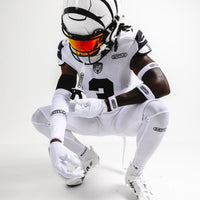




The stickiest football gloves pair a high-tack palm with a secure, second-skin fit. But maximum grip is only part of the equation. Fit, palm condition, weather, durability, and proper care all determine how well a glove actually grips the football.

What Are the Stickiest Football Gloves?
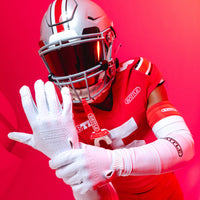
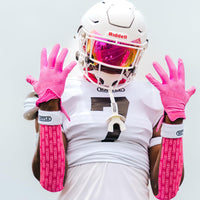
The stickiest football gloves are receiver-style gloves with a high-tack palm engineered to create strong friction against the football. Battle receiver gloves use tacky palm technology designed to maximize grip while maintaining the flexibility players need to catch, carry, and control the ball.
Grip alone does not determine the best glove. A glove also needs to fit tightly, move naturally with the hand, stay secure at the wrist, and maintain its palm surface through practices and games. A very sticky glove that slides around on the hand can perform worse than a properly fitted glove with consistent tack.
Football gloves have one job that gets more attention than anything else: help the player control the football.
That is why players shopping for football gloves often start with the same question: which gloves are the stickiest?
It is a useful question, but it needs a better answer than simply naming one pair. Modern football glove performance comes from the interaction between the palm material, fit, hand movement, cleanliness, weather, and wear. Understanding those factors makes it much easier to choose a glove that stays useful after the first few catches.
What Makes Football Gloves Sticky?
The grip on modern football gloves comes primarily from the material and coating used across the palm and fingers. Receiver gloves commonly use tacky synthetic or silicone-based surfaces engineered to increase friction between the glove and the football.
Tacky Palm Surface
The palm is the main contact point with the football. A quality grip surface creates friction without making the glove stiff or difficult to close around the ball.
Full Palm Coverage
Grip across the fingers and palm gives players more usable contact area when the ball does not land perfectly in the center of the hands.
Secure Fit
The palm cannot work correctly if the player's hand moves independently inside the glove. A close fit helps the glove behave more like a second skin.
Clean Surface
Dirt, sweat, grass, and field debris can cover the tacky surface and reduce friction. Clean palms generally grip better than dirty ones.
Sticky Does Not Mean Glue
A good football glove should feel tacky, not coated in an uncontrolled adhesive. The palm needs enough friction to help the player secure the football while still allowing normal hand movement and release.
This distinction matters because players sometimes try to make older gloves unnaturally sticky with household products or aggressive chemicals. That can damage the palm, attract more dirt, shorten the glove's life, or conflict with league equipment rules.
The better approach is to start with a purpose-built football glove, keep the palm clean, follow the manufacturer's care instructions, and replace the glove once the grip surface is physically worn out.
Battle Football Gloves Built for Grip
Battle's receiver glove lineup is built around high-tack palms, flexible construction, and secure fit. The exact glove you choose should depend on the fit, feel, protection, and style you want in addition to grip.
How To Choose the Stickiest Football Gloves
If grip is your priority, do not judge gloves by tackiness alone. Use these factors to compare pairs.
| What To Check | Why It Matters | What To Look For |
|---|---|---|
| Palm Tack | Creates friction against the football. | A consistently tacky surface across the palm and fingers. |
| Fit | A loose glove can shift during the catch. | A snug, second-skin feel without painful pressure or restricted movement. |
| Flexibility | The hand still has to open, close, and react naturally. | A glove that bends with the fingers instead of fighting them. |
| Wrist Security | Helps keep the glove positioned correctly. | A closure that stays secure through contact and repeated movement. |
| Durability | Grip inevitably changes as the palm wears. | Construction that matches how frequently and aggressively the player uses the gloves. |
| Protection | Some positions take more contact at the hands. | Choose receiver-style flexibility or added padding based on the player's role. |
Start With Grip. Finish With Fit.
The best football glove is not simply the pair that feels stickiest in your hand. It is the glove that stays secure, moves naturally, and gives you reliable contact with the football.
Which Positions Benefit Most From Sticky Football Gloves?
Receiver gloves are associated with wide receivers for obvious reasons, but strong grip can matter anywhere a player regularly catches, carries, or attacks the football.
Wide Receivers
Receivers need dependable palm contact on routine catches, contested catches, quick screens, deep balls, and passes that arrive outside the ideal catching window.
Running Backs
Running backs handle handoffs, catch passes, and protect the football through traffic. Grip can help maintain control as defenders attack the ball.
Tight Ends
Tight ends combine receiving with blocking and contact. Some prefer lightweight receiver gloves while others want additional hand protection.
Defensive Backs
Cornerbacks and safeties may wear sticky gloves to improve ball control when breaking up passes or finishing interception opportunities.
Receiver Gloves vs. Padded Football Gloves
If your only goal is maximum feel on the football, a lightweight receiver glove is usually the logical starting point. Receiver gloves prioritize palm contact, flexibility, and dexterity.
Padded football gloves make a different tradeoff. Added protection can be useful for players who spend more time blocking or taking direct contact with their hands, but extra material can change the feel of the glove.
Neither design is automatically better. A wide receiver may want minimal bulk. A physical tight end may prefer more protection. The player's actual job should drive the choice.
Why Do Football Gloves Lose Their Stickiness?
Even a highly tacky glove will not feel new forever. The palm collects whatever it touches, and football is played in an environment full of things that interfere with grip.
Dirt & Turf Debris
Dust, rubber pellets, grass, and dirt create a layer between the tacky palm and the football.
Sweat & Moisture
Moisture can reduce consistent palm-to-ball contact and leaves residue behind as gloves dry.
Normal Wear
Repeated catches, blocking, contact, and contact with the ground gradually wear the palm surface.
Bad Storage
Leaving wet gloves crushed in a hot equipment bag can hurt the fit, material, odor, and condition of the palm.
If your gloves suddenly feel less tacky but the palm still looks intact, cleaning may restore some grip. If the palm itself is smooth, peeling, cracked, or physically worn, cleaning cannot rebuild material that is gone.
How Do You Make Football Gloves Sticky Again?
The safest first move is usually the simplest: clean the palm. Dirt and sweat can cover the grip surface even when the underlying material is still in good condition.
Follow the glove's care instructions. For a deeper walkthrough, read Battle's guide on how to clean football gloves without losing grip.
1. Remove Surface Debris
Use water or a damp cloth to clear loose dirt from the palm rather than grinding it deeper into the grip surface.
2. Wash Gently
When the glove needs a full cleaning, use a gentle method and follow the product's specific care instructions.
3. Rinse Completely
Soap left on the palm can become another layer between the glove and the football.
4. Air Dry
Let the gloves dry thoroughly away from high heat before putting them back into an equipment bag.
For more ways to deal with fading grip, see how to make football gloves sticky again. Be careful with improvised grip hacks. Some substances can damage glove materials or may not be permitted under the rules governing your league.
Do Sticky Football Gloves Work in the Rain?
Wet weather changes the interaction between the glove and the football. Even a tacky palm can become less predictable when water, mud, and debris accumulate on the surface.
The practical goal in rain is to keep both the glove palm and football as clean and dry as conditions allow. A sideline towel can help remove excess water and debris between possessions. Players who expect sustained rain may also rotate between pairs so one can dry while the other is being worn.
Read the full guide to wearing football gloves in the rain for wet-weather care and grip tips.
How Tight Should Sticky Football Gloves Fit?
Football gloves should generally fit snugly enough that excess material does not bunch in the palm or fingers. If the glove moves around independently of the hand, the tacky surface cannot transfer the player's hand movement to the football as efficiently.
At the same time, smaller is not automatically better. A glove that is painfully tight or restricts finger movement is the wrong fit.
The goal is a close, controlled fit with full hand movement. If you are between sizes or buying for a growing player, use Battle's football glove sizing guide rather than simply sizing up or down by guesswork.
How Long Does Football Glove Grip Last?
There is no universal number of games or practices. Grip life depends on how often the gloves are worn, the surfaces a player contacts, weather, playing position, cleaning habits, storage, and the construction of the glove.
A receiver using one pair every day can wear a palm differently from a player who rotates multiple pairs. A glove used heavily on turf may also accumulate different wear and debris than one used mostly on grass.
Judge the actual condition of the glove. If cleaning no longer restores useful tack, the palm has become smooth or damaged, or the fit has stretched enough to move on the hand, replacement may make more sense than another grip hack.
For a deeper breakdown, read how long football gloves last and when to replace them.
Sticky Football Glove FAQs
What football gloves have the best grip?
Look for receiver gloves with a purpose-built tacky palm, full grip coverage, and a close fit. The usable grip also depends on keeping the palm clean and choosing a glove that does not slide around on the hand.
Why are football gloves so sticky?
Modern football gloves use tacky synthetic palm materials or coatings designed to increase friction between the player's hands and the football while allowing the fingers and palm to remain flexible.
Do football gloves lose their stickiness?
Yes. Dirt, sweat, field debris, moisture, repeated use, and physical wear can all reduce grip over time. Cleaning can help when buildup is covering an intact palm, but it cannot restore palm material that has worn away.
Can you wash football gloves without ruining the grip?
Many football gloves can be cleaned safely when you follow their specific care instructions and avoid excessive heat. Gentle cleaning can remove the dirt and sweat that interfere with the tacky palm. Always check the care label for the pair you own.
Does water make football gloves sticky again?
A small amount of water can help remove surface dust and debris, which may expose the tacky palm underneath. It does not recreate a grip surface that has physically worn away.
Does hand sanitizer make football gloves sticky?
Alcohol-based products can remove some dirt and residue, but they may also dry or damage glove materials with repeated use. A glove-safe cleaning method is the better routine, and players should check league rules before applying any substance intended to change grip.
Are sticky football gloves legal?
Football gloves are widely used, but equipment and substances applied to equipment are governed by the rules of the player's league or organization. Players and parents should check the current rules for their specific league rather than assuming every glove treatment or grip enhancer is permitted.
Are sticky gloves only for wide receivers?
No. Running backs, tight ends, defensive backs, return specialists, and other players who regularly handle or attack the football may also choose tacky football gloves.
The Bottom Line: Grip Matters, but the Whole Glove Has To Work
The stickiest football gloves start with a high-tack palm, but real on-field grip depends on more than the palm material. The glove needs to fit securely, flex with the hand, stay reasonably clean, and hold up to the way the player actually plays football.
For receivers and other ball handlers, prioritize a tacky palm and close fit. If the position involves more blocking and hand contact, consider whether additional protection is worth a slightly different feel.
And do not assume fading grip means the gloves are finished. If the palm is still intact, dirt and sweat may simply be covering the tacky surface. Clean the gloves properly, air dry them, and reassess. When the grip surface itself is worn out, it is time for a new pair.
Explore Battle's complete collection of sticky football gloves for adult and youth players.